
Two named storms in 48 hours. In late October 2026, Storm Austen blew in on the Thursday night and Storm Boelo followed before the weekend was out. In our control room, that meant more than double the usual alarm activity across the sites we look after.
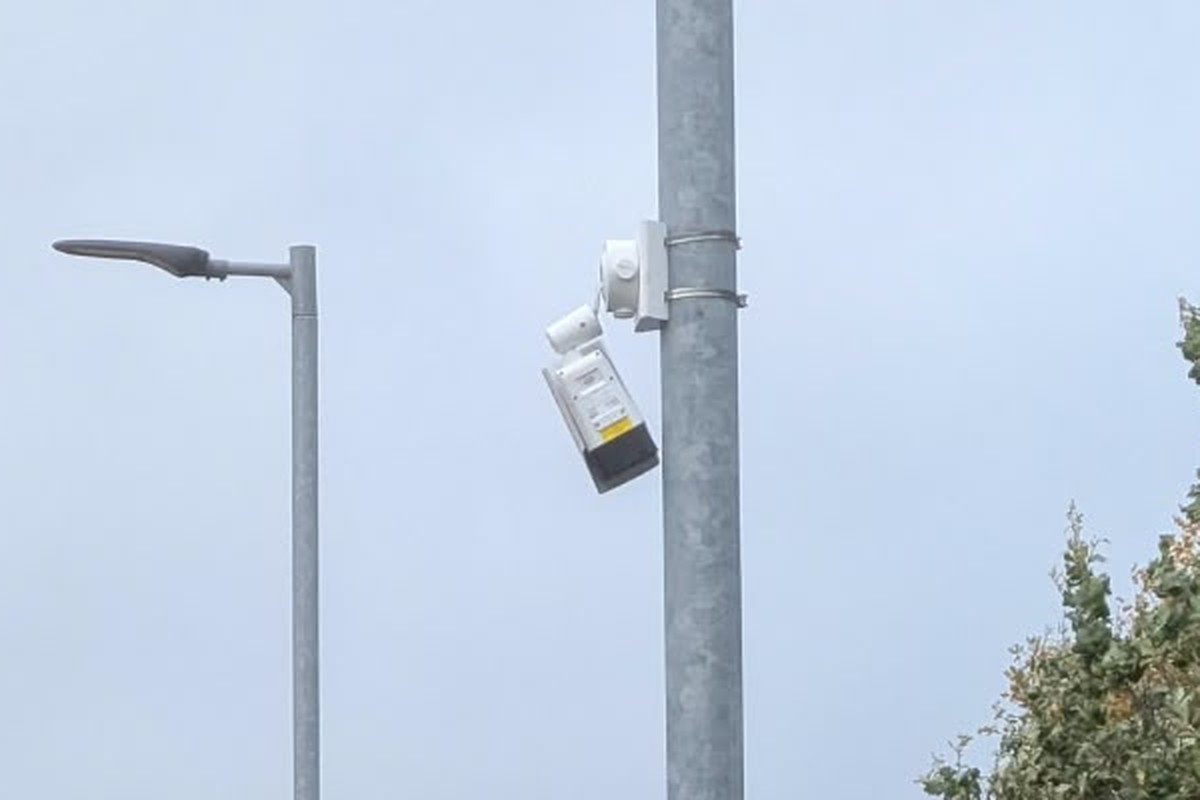
Very little of it was crime. Most activations came down to doors and shutters moving in the wind. One was a power cut. And on three occasions, our officers found CCTV cameras blown out of position and pointing the wrong way.
None of it was a break-in, but every one of those activations needed someone to respond, and the cameras would have gone unnoticed if nobody had looked. Here’s what high winds actually do to a business’s security, and what you can do before the next named storm arrives.
Why high winds set off alarms
Doors and roller shutters. This was the biggest cause by far. Most door sensors work with a magnetic contact, so a small gap between the door and its frame is enough to trigger the alarm. In a strong gust, a door that’s closed but not properly latched can move just enough. Roller shutters are even more prone to it, because they flex and rattle in the wind, and older or worn shutters move more.
Movement inside the building. Motion sensors look for changes in heat and movement. Draughts can move hanging signs, banners, plastic sheeting or loose paperwork, and in the wrong spot that can look like a person to a sensor.
Power cuts. When the mains supply drops, the alarm panel switches to its backup battery. If that battery is old or hasn’t been tested, it may not last the night, and the panel will start reporting faults. Either way, the system is telling someone there’s a problem.
Weather getting in. External sensors and devices can be affected by rain getting into housings, and by trees or bushes swaying in front of them.
The silent problem: cameras that stop watching
Alarm problems announce themselves. Camera problems don’t.
A CCTV camera blown out of position doesn’t set anything off. It carries on recording, the system still looks healthy and the power light stays on. It’s just filming the sky, a fence or the wrong corner of the yard instead of the gate it’s meant to cover.
Until someone checks the view, that part of the site isn’t really protected, and most businesses only find out when they go looking for footage after an incident.
Why false alarms are more than a nuisance
Your police response can be at risk. If your alarm is monitored and has police response, it’s covered by the National Police Chiefs’ Council rules in England, Wales and Northern Ireland. Two false calls in a rolling 12 months brings a written warning. Three, and police response is withdrawn, leaving keyholder response only until the cause has been found and fixed. Not every weather-related activation is recorded the same way, so it’s worth asking your alarm company how any storm activations on your system were logged.
Someone has to go out. Every activation means a phone call, and often a trip to site, at night and in bad weather. If that falls to a manager or a member of staff, it’s a lone working risk as well as a lost night’s sleep.
“It’s probably just the wind.” The biggest risk of repeated false alarms is that people stop taking them seriously. Thieves know storms cause confusion too.
Storm-proof your site before winter: a checklist
- Latched, not just closed. Check that every external door and shutter fully latches and locks. Report worn shutters or loose door contacts to your installer.
- Walk the perimeter. Tie down or move loose signs, bins, pallets, banners and temporary fencing, especially anything near sensors or entrances.
- Check camera fixings. Get mounts, brackets and poles checked and tightened before the worst of the winter weather.
- Cut back vegetation. Trim trees and bushes that move in front of external sensors or block camera views.
- Test the backup battery. Ask your installer when it was last tested. Batteries don’t last forever, and a power cut at 2am is the wrong time to find out.
- Update your keyholder list. Make sure at least two named people will answer the phone at night and still have the keys and alarm codes.
- Check lighting and timers. The clocks have just gone back, so check external lighting comes on when it’s dark, not when it was dark in summer.
- Agree who responds. Decide now who goes out when the alarm goes off, so nobody is working it out in the middle of a storm.
After a storm: what to check
- Walk round the outside and check doors, shutters, fences and gates, but only once it’s safe to do so.
- Look at every camera feed, not just whether the system is switched on.
- Check the alarm panel for fault messages such as mains failure, low battery or tamper.
- Ask your alarm company for the event log, so you know what was triggered and why.
- Report any damage to your installer quickly, before the next storm finds the same weak spot.
Who responds at 2am?
When an alarm goes off at night, there are broadly two ways to handle it.
Your own staff as keyholders. The advantages are that they know the site and there’s no extra cost. The drawbacks are that people don’t always answer at 2am, they may have to drive in dangerous conditions, they’re often attending alone, and they’re not trained to deal with an intruder if it does turn out to be real.
A professional keyholding and alarm response service. Trained, SIA-licensed officers attend instead of your staff, around the clock. A good provider will check the whole site rather than just resetting the panel, secure any doors or shutters, report anything else they spot, such as a camera out of position, and give you a time-stamped record of what they found. The trade-off is cost, and handing your keys and codes to a third party, so choose an SIA-approved provider you trust.
Many businesses use a mix of both: staff for daytime issues and a professional service for nights, weekends and shutdowns.
Before the next storm
Storm season has only just started, and Austen and Boelo won’t be the last named storms this winter. A couple of hours spent on the checklist above now could save a lot of 2am phone calls later.
If last weekend left you with questions about your site, or you’d like to talk through keyholding and alarm response for the winter, get in touch with the Clear Watch team.