
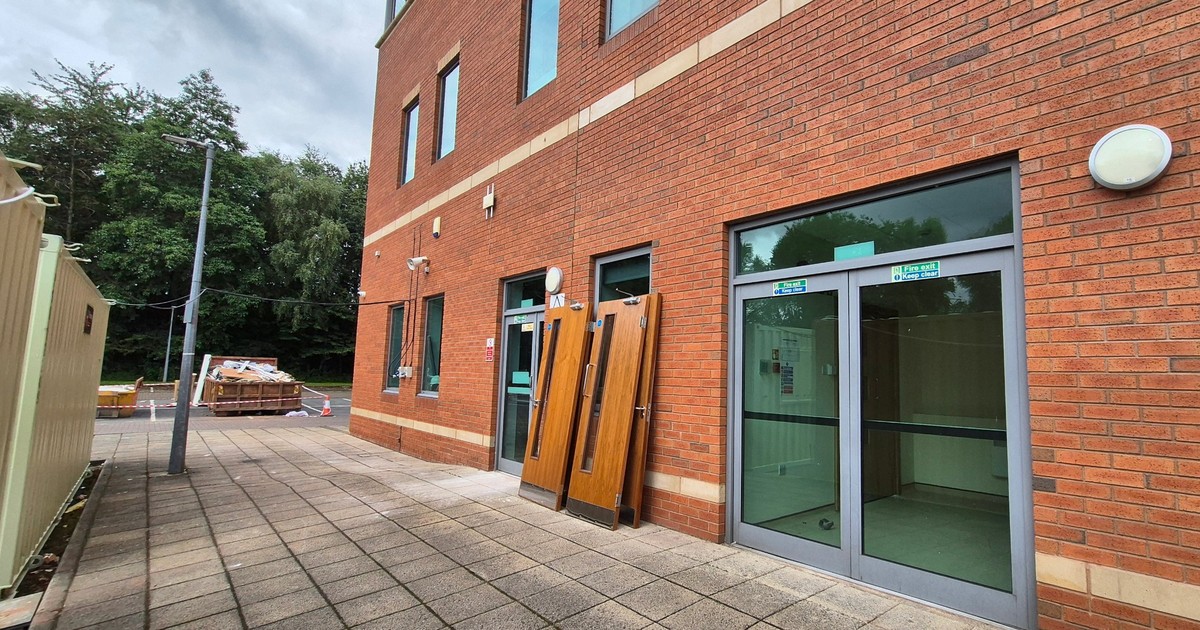
The building is most exposed before you move in
Most businesses think about security once they have moved into new premises. The alarm is set, the CCTV is running and the doors lock at night. But for the weeks or months before that, while the space is being fitted out, the building is often at its most vulnerable. That is why office fit-out security needs a plan of its own.
Doors are propped open for deliveries. Dozens of people you have never met come and go every day. Expensive materials and new equipment sit in half-finished rooms. Keys and access codes are passed between trades, and nobody is quite sure who has what.
This week we started providing security and contractor access control on a city centre office fit-out that will run for the next few months. Here is what we have learned about keeping a building safe while it is being transformed, and how to decide what level of security your own project needs.
Why an office fit-out is a security risk
A fit-out changes how a building works. The normal routines that keep it secure are paused, and a lot of new people and equipment arrive at once. These are the risks we see most often.
Lots of unfamiliar faces. On a busy fit-out you might have electricians, joiners, decorators, flooring teams, IT installers and furniture suppliers all on site in the same week. When everyone is new, it becomes very easy for someone who should not be there to walk in looking like they belong.
Valuable materials and tools. Copper cable, power tools, new IT equipment and furniture are all attractive to thieves, and they are often left in rooms with no lock on the door yet. Losses on a fit-out are not always from outsiders either. Without a record of who was where, it is very hard to work out what happened.
Keys and codes nobody tracks. Keys get copied, codes get shared and fobs get handed from one trade to the next. By the time the work is finished, it can be impossible to say who still has a way in.
Deliveries with no one to receive them. Materials arrive throughout the day, sometimes early in the morning. If nobody is responsible for accepting and storing them, they end up left at the entrance or in a corridor.
Out-of-hours working. Fit-outs often run early starts, late finishes and weekend shifts to keep to the programme. That means the building is open at times when nobody senior is around to keep an eye on it.
Fire safety and knowing who is inside. During works, fire alarms may be isolated, doors removed and escape routes partly blocked by materials. If the alarm does go off, someone needs to know exactly who is in the building. On a site with constantly changing contractors, a proper sign-in record is the only reliable way to do that.
What good contractor access control looks like
On the city centre fit-out we are covering now, our officers follow a simple routine every day. None of it is complicated, but each step closes one of the gaps above.
- Screening contractors on arrival. Every person is checked against the list of who is expected that day. Anyone who is not on it waits at the entrance until the site manager confirms they should be there.
- Signing in and issuing passes. Each contractor signs in and is given a visible pass. That gives an accurate record of who is on site at any moment, which matters for fire safety as much as security.
- Issuing permits. Higher-risk work such as hot works or electrical isolation needs a permit before it starts. Handing permits out at the point of entry means nobody starts that kind of work without the right checks.
- Keeping people in the right areas. Contractors are directed to the parts of the building they are working in, rather than wandering through floors or rooms that are nothing to do with their job.
- Receiving deliveries. Materials are accepted, checked and stored safely instead of being left in a doorway for whoever passes next.
- Signing out and locking up. At the end of the day, everyone signs out and passes are returned. The building is then walked, locked and checked so that nobody is left inside and every door and window is secure.
That last step deserves a moment. A proper lock-up is not just about turning keys. It means walking the building and checking every area is empty. It is the difference between finding someone who has been taken ill or injured at the end of the day and leaving them there overnight.
Do you need a security officer on site?
Not always, and it is worth being honest about that.
For a small refurbishment, such as redecorating a few rooms or replacing a kitchen with one or two trades over a couple of weeks, a site manager with a proper sign-in book, a locked store for materials and a clear lock-up routine may be enough. The important thing is that someone owns those tasks and does them every day.
The picture changes as a project grows. Dedicated access control starts to make sense when:
- several trades are working on site at the same time
- the work runs for more than a few weeks
- high-value materials, IT equipment or furniture are being delivered
- the building is partly occupied, or shares an entrance with other businesses
- work happens early in the morning, late at night or at weekends
- the site is in a busy city centre location with plenty of passing foot traffic
It is also worth remembering that on construction work, including many fit-outs, the Construction (Design and Management) Regulations 2015 expect the principal contractor to take reasonable steps to stop unauthorised people getting onto the site. A clear access control arrangement is one of the simplest ways to show that is being done.
Whatever you decide, agree before work starts who is responsible for each part of site security. The worst arrangement is the one where everyone assumes somebody else is looking after it.
Questions to ask before your fit-out starts
Whether you use a security provider or manage it yourself, these questions are worth answering before the first contractor arrives.
- Who checks that each contractor is who they say they are, and that they are expected that day?
- How will you know exactly who is in the building if the fire alarm goes off?
- Who issues and collects passes, keys and fobs, and who keeps the record?
- Who signs off permits for higher-risk work?
- Where will deliveries be received and stored, and who is responsible for them?
- What happens out of hours, and who has authority to let people in early or keep them late?
- Who does the final lock-up, and does that include walking the whole building?
- Who is contacted if something goes wrong overnight or at the weekend?
- When the work finishes, will locks and access codes be changed before you move in?
How Clear Watch can help
Clear Watch Security has been protecting businesses across Greater Manchester since 2008, and we are an SIA Approved Contractor. For fit-outs and refurbishments, we provide security officers who manage contractor sign-in, passes, permits, deliveries and lock-up, so your project team can concentrate on the work itself.
We can also help with keyholding and alarm response once the work is finished, so there is someone to call if anything happens after you move in.
If you have a move, refurbishment or fit-out coming up, we are happy to talk it through, even if you decide you can manage it yourself. Get in touch with the team and we will help you work out what your project actually needs.
Related reading: Fly-tipping on business premises: who pays, and how to stop it